
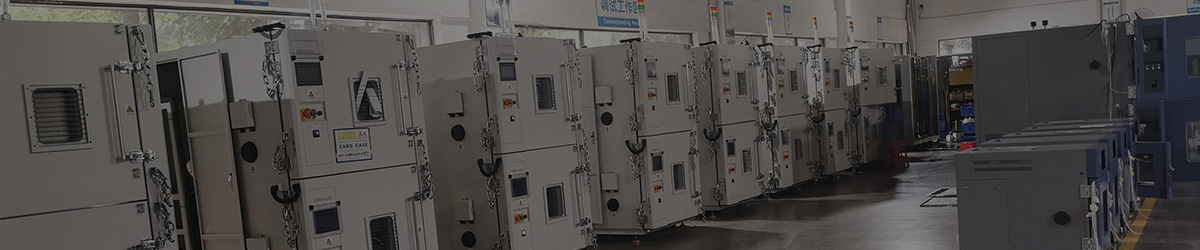
High-low temperature humidity test chambers are core laboratory environmental simulation equipment. Frosting and temperature deviation are common long-term operation faults, affecting test accuracy and equipment life. Below are quick, novice-friendly solutions (no professional maintenance needed).
I. Frosting
Frosting often occurs in low-temperature tests, forming on the chamber inner wall and evaporator. Severe frosting blocks air ducts and reduces refrigeration efficiency.
Quick Handling: 1. Pause test, set to ≈25℃, turn off humidity, open door to melt frost naturally (do not scrape evaporator). 2. Check/replace damaged door seal to prevent moisture. 3. Unblock drain and clear water. 4. Pre-cool before low-temperature tests.
II. Excessive Temperature Deviation
Temperature deviation (>±2℃ between actual and set temperature) affects test accuracy, mostly from improper operation or minor faults.
Quick Handling: 1. Adjust samples to avoid blocking air ducts; reserve ventilation space. 2. Reset sensor; contact professionals if deviation persists. 3. Check refrigeration/heating: replenish refrigerant or replace damaged heating tubes. 4. Keep lab temperature 5-35℃.
Reminder: If faults persist, stop use and contact professional maintenance. Regular cleaning and inspections reduce faults.
Post time: Apr-20-2026