
What is an IP rating? Why is IP testing essential for the electronics, automotive and photovoltaic industries?
Defined by IEC 60529, the IP (Ingress Protection) rating classifies enclosure protection against solid dust and liquid water. It adopts a two-digit coding system: the first digit (0-6) represents dust resistance, and the second (0-9K) represents waterproof performance, with higher values indicating better protection.
Electronic, automotive and PV products are commonly deployed in outdoor and harsh environments. IP testing is a mandatory compliance and reliability verification procedure. It effectively prevents dust-induced short circuits, rainwater corrosion and sand/rain damage, ensuring product safety and service life. All tests fully comply with mainstream standards including GB/T 4208, ISO 16232 (automotive cleanliness) and GB/T 15089 (electronic equipment protection).
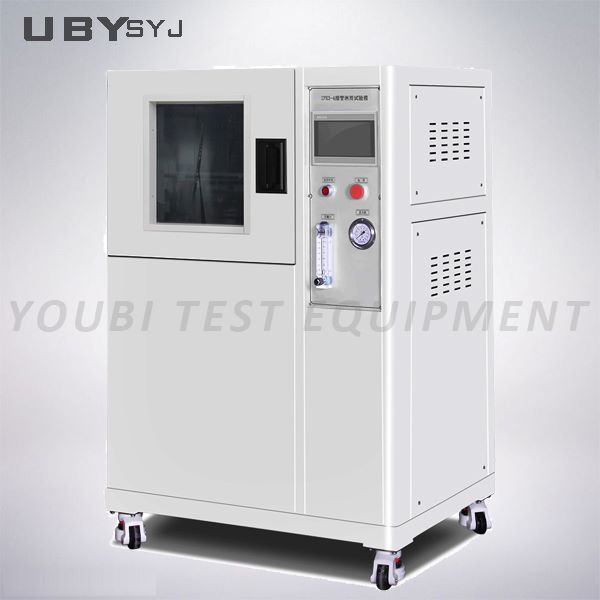
What is the difference between dust and water test chambers? How do they match IP ratings?
UP-6316 Dust Test Chamber
Designed for IP5X/IP6X dustproof testing, it simulates real dusty working environments. It adopts standard 50μm test dust, with a talc powder concentration of 10-3000g/m³ and adjustable wind speed of 1.2-11m/s, fully meeting GB/T 4208.5 and ISO 16232 test specifications.
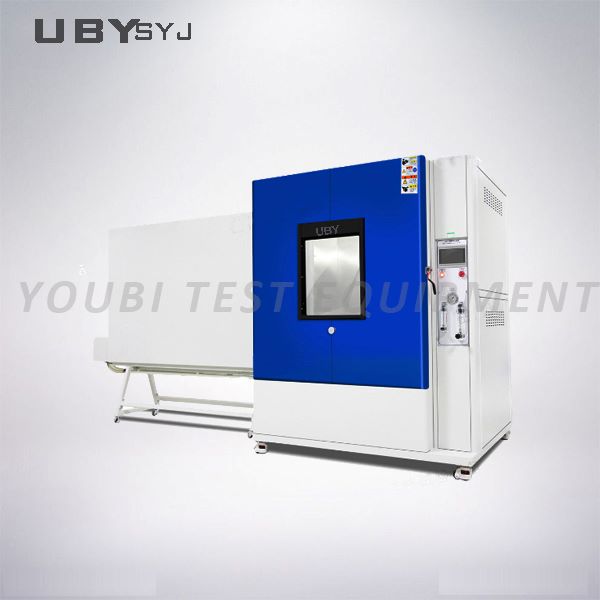
UP-6300 Series Water Test Chamber
Covers full IPX1-IPX9K waterproof test standards to simulate diverse water intrusion scenarios:
- IPX1-2: Vertical & 15° inclined water dripping test
- IPX3-4: ±180° oscillating tube rain test with adjustable flow rate
- IPX5-6: High-pressure spray test (12.5L/min for IPX5; 41.5L/min for IPX6)
- IPX7-8: Water immersion test (1m standard water depth / customizable depth)
- IPX9K: 80℃ high-temperature & high-pressure jet test (14.6L/min flow rate)

Post time: May-22-2026