
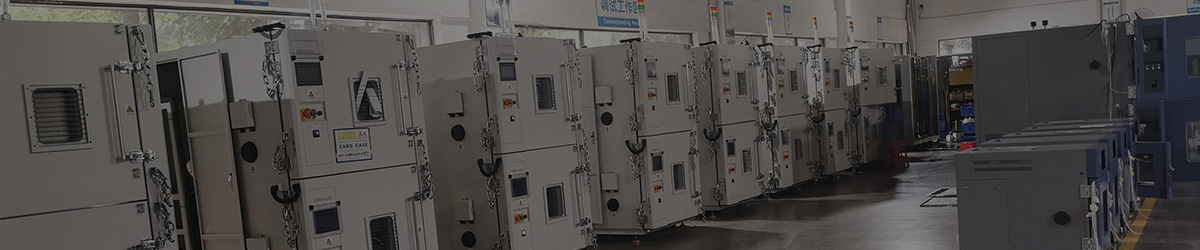
The stable operation of an environmental test chamber relies on component coordination. Nozzles, sensors, and seals are its most vulnerable core parts, directly affecting temperature-humidity control accuracy, test data reliability, and service life. Frequent use causes aging, wear, and malfunction; timely, proper replacement and selection prevent further damage, standardize operations, and reduce maintenance costs.
I. Core Consumable Replacement Skills
Replacement principle: Shut down → Inspect → Replace → Verify. Simple steps below:
(1) Nozzle Replacement
Used for humidification/spraying in humidity test chambers; prone to clogging/wear and uneven humidification.
1. Power off, cut water supply, cool to room temperature, clean nozzle area, prepare matching new nozzle and wrench.
2. Gently unscrew old nozzle (avoid interface damage), clean scale and dirt.
3. Fit seal ring, screw new nozzle moderately (no leakage/thread damage), check for looseness.
4. Verify: Turn on humidification; qualified if spray is uniform and no leakage.
(2) Sensor Replacement
Key to precise control; prone to slow response and inaccurate data over time.
1. Power off, note old sensor model/wiring (photo recommended), prepare same-spec new sensor and screwdriver.
2. Loosen screws, pull out terminals (distinguish polarity), clean base oxide, tighten base.
3. Fix new sensor, connect terminals as original (firm and correct polarity).
4. Verify: Qualified if temperature deviation ≤±0.5℃ and humidity deviation ≤±2%RH (vs standard instrument).
(3) Seal Replacement
Seals chamber door/pipelines; aging/cracking causes air/water leakage.
1. Power off, cool to room temperature, gently pry off old seal, clean groove debris/residual glue.
2. Embed matching new seal into groove, press gently (no pulling/wrinkling).
3. Verify: Run 30 minutes after startup; qualified if no leakage and seal does not shift.
II. Scientific Consumable Selection Suggestions
Focus on: Equipment compatibility, scenario adaptability, cost-effectiveness. Specific tips:
(1) Nozzle Selection
1. Prioritize test chamber brand/model matching; replacements need consistent interface/spray volume.
2. Stainless steel for humidity chambers (corrosion/scale-resistant); titanium alloy for salt spray chambers; thickened for frequent use.
3. Match spray volume, atomization fineness, and working pressure to equipment needs.
(2) Sensor Selection
1. Select by test chamber temperature-humidity range; prioritize high-precision (±0.1℃/±1%RH) fast-response integrated sensors.
2. Stainless steel (general); PTFE-coated (corrosive environments); high-temperature resistant (high-heat conditions).
3. Prioritize original sensors; third-party ones need matching wiring/signal type.
(3) Seal Selection
1. Silicone (chamber doors: -60℃~200℃, good elasticity); nitrile rubber (pipelines: oil/water-resistant); fluororubber (corrosive environments).
2. Match seal groove size; measure old seal or consult manufacturer if unsure.
3. Prioritize elastic/anti-aging parts; thickened reinforced ones for frequent high-temperature/humidity use.
III. Replacement & Selection Notes
1. Power/water off, cool to room temperature before replacement; no improper disassembly (avoid damage/injury).
2. Use original/regular manufacturer parts; inferior parts accelerate wear and affect test data.
3. Inspect monthly; replace aging/worn parts timely to avoid fault escalation.
4. Verify after replacement; dispose of old parts properly to avoid pollution.
IV. Conclusion
Correct replacement and suitable consumables ensure stable operation, accurate data, longer service life, and lower maintenance costs. We will continue sharing maintenance tips for easy problem-solving.
Post time: Apr-13-2026